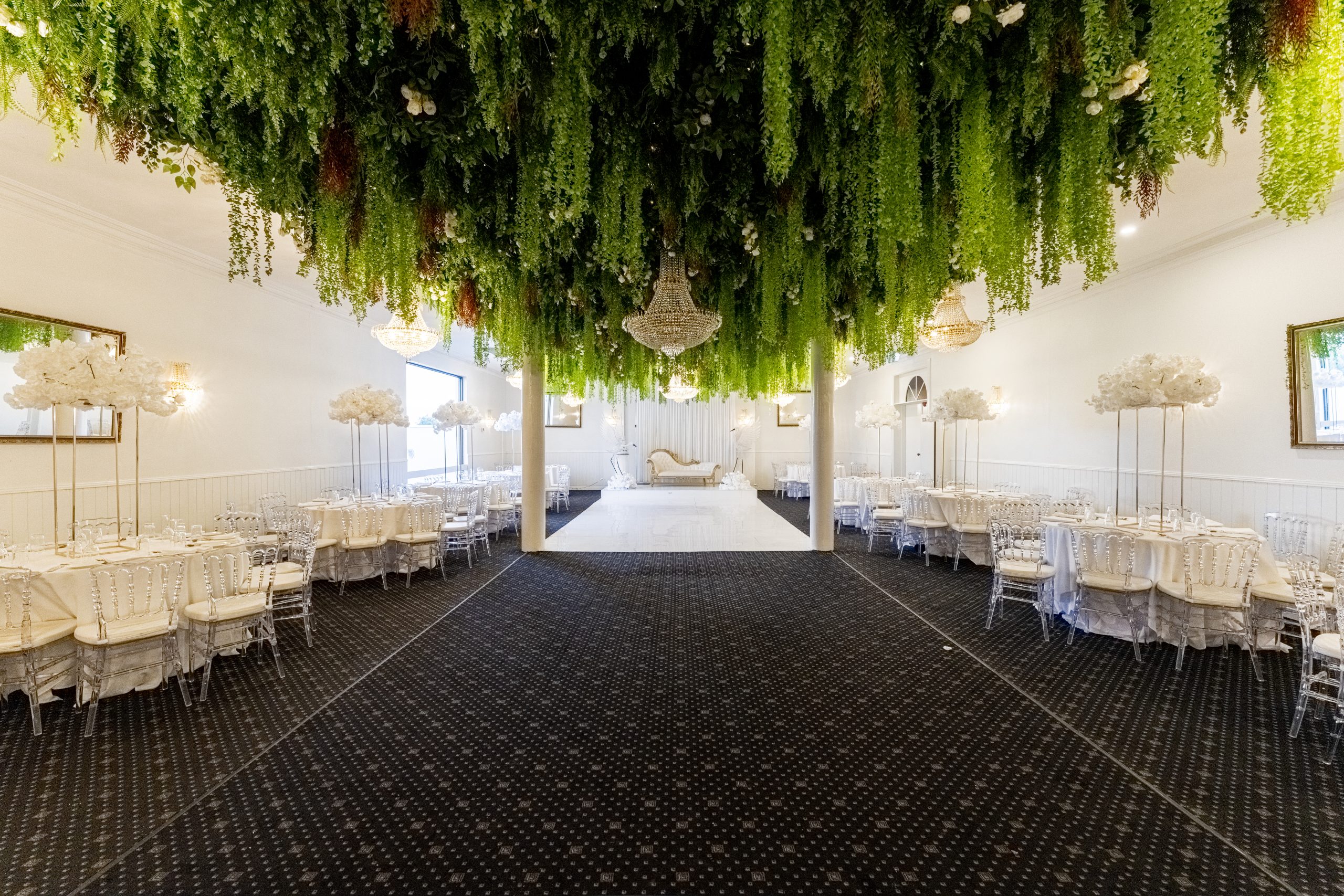
Booking an event space in Melbourne sounds straightforward until three months later, when restrictions nobody mentioned start surfacing. The supplier list gets vetoed. Setup time shrinks to two hours instead of the six needed. The chicken arrives lukewarm despite assurances that it would be fresh.
The choice between private function venues in Melbourne and hotel event spaces determines far more than just the address on invitations.
Quick reality check:
- Hotels treat events as one revenue stream among many
- Dedicated venues exist purely to host events
- That fundamental difference affects everything, literally everything
Hotels Design Rooms for Maximum Bookings, Not Maximum Impact
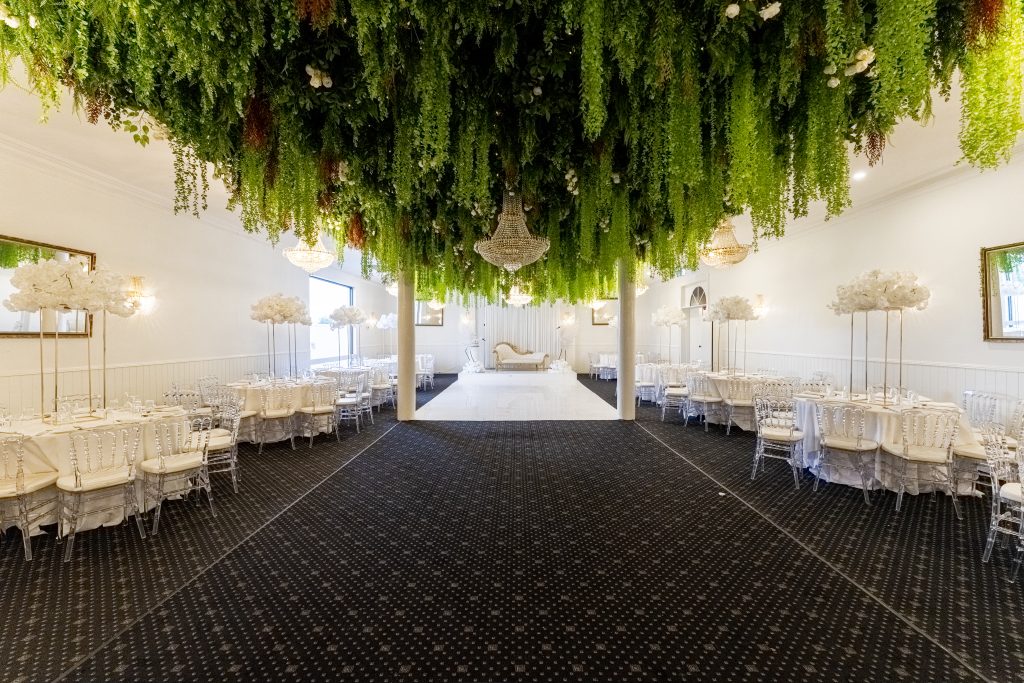
Walk into a hotel ballroom and notice how the ceiling feels lower once 80 people fill the space. The lighting runs flat regardless of what’s being celebrated. Acoustics create that echo where conversations compete.
Why does this happen?
The same ballroom hosts:
- Breakfast seminars at 7 am
- Afternoon workshops by 1 pm
- Evening weddings by 6 pm
Hotels build event spaces between stacked guest rooms, so ceiling heights get compressed to fit more revenue-generating floors into the building. Higher ceilings mean fewer rooms above and below, which means lost income.
The ripple effects:
Lighting systems stay basic because complex rigs take too long to reprogram between three daily bookings. Acoustics get treated just enough to prevent chaos but not enough to create intimacy, because the space needs to work for silent auctions and dance parties without modifications.
Function room hire in Melbourne from dedicated venues can install dramatic lighting and design proper ceiling heights because they don’t flip the same space three times daily.
Guests register this subconsciously. Every hotel ballroom feels similar because they’re all designed around the same operational constraints.
The Caterer Situation Nobody Mentions Until It's Too Late
Hotels require in-house catering and cite quality control. The actual reason runs deeper.
The room hire is essentially a loss leader. The real money comes from forcing food and beverage purchases through contract minimums.
Why does this create problems?
Planning an event for employees from specific cultural backgrounds who need authentic regional cuisine? The hotel’s generic banquet kitchen probably can’t deliver that level of authenticity, but they refuse to bring in external specialists because it would sacrifice their high-margin catering revenue.
Hosting a wedding where a professional chef friend wants to cater as their gift? Hotels say no. Policies are policies.
The dedicated venue difference:
Function venues in Melbourne make money primarily from venue hire rather than catering monopolies. Need a specialist who understands religious dietary requirements or cultural authenticity? Dedicated venues often allow it because successful events generate referrals.
This restriction extends to:
- Audio, visual equipment (hotels charge $800 for what external providers offer at $300)
- Decorators and styling
- Entertainment bookings
- Photography and videography
Hotels maintain approved vendor lists that, coincidentally, charge premium rates, and deviations are denied or penalised.
Why Hotel Food Tastes Different and Not in a Good Way
Hotel kitchens on a Saturday evening juggle:
- Room service for 200 occupied rooms
- Dinner service in two restaurants
- Cocktail event food in the lobby bar
- Meals for three separate function bookings
The production reality:
Kitchens build menus around dishes that hold well under heat lamps because timing food precisely becomes impossible when managing six concurrent services.
What happens to your meal:
The chicken gets plated at 7:30 pm and sits under heat lamps until service staff collects it at 7:55 pm. Those 25 minutes transform everything:
- Vegetables overcook and lose texture
- Sauces separate or form skin
- Proteins dry out around the edges
- Food tastes institutional even though the ingredients started decent
The dedicated caterer advantage:
Function hall hire in Melbourne with dedicated event catering and production around the actual event. If main courses hit tables at 8:15 pm, plating starts at 8:12 pm. Food moves directly from the kitchen to guests.
That’s the gap between restaurant-quality and hotel banquet-quality, and guests notice it immediately.
The Setup Time Problem That Creates Chaos
Hotel kitchens on a Saturday evening juggle:
- Room service for 200 occupied rooms
- Dinner service in two restaurants
- Cocktail event food in the lobby bar
- Meals for three separate function bookings
The production reality:
Kitchens build menus around dishes that hold well under heat lamps because timing food precisely becomes impossible when managing six concurrent services.
What happens to your meal:
The chicken gets plated at 7:30 pm and sits under heat lamps until service staff collects it at 7:55 pm. Those 25 minutes transform everything:
- Vegetables overcook and lose texture
- Sauces separate or form skin
- Proteins dry out around the edges
- Food tastes institutional even though the ingredients started decent
The dedicated caterer advantage:
Function hall hire in Melbourne with dedicated event catering and production around the actual event. If main courses hit tables at 8:15 pm, plating starts at 8:12 pm. Food moves directly from the kitchen to guests.
That’s the gap between restaurant-quality and hotel banquet-quality, and guests notice it immediately.
The Setup Time Problem That Creates Chaos
What organisers assume:
Reasonable time to set up properly
What hotels actually provide:
An evening function at 7 pm receives venue access at 5 pm despite needing several hours to install branding, position displays, and test equipment.
Why does the squeeze happen?
Hotels booked that room for a lunch event, vacating at 3 pm. They need cleaning and reset time before handover. Clients get whatever window remains.
The resulting chaos:
Decorators, AV technicians, florists, and event staff work simultaneously in compressed timeframes while hotel staff monitors the clock. There’s no buffer if anything runs behind because:
- The schedule was already tight
- Another event starts tomorrow morning
- Extended access requires overtime pay for hotel staff
Events that suffer most:
- Corporate functions with sponsor branding requirements
- Product launches with complex displays
- Celebrations with extensive decoration needs
The dedicated venue approach:
Function venue hire in Melbourne offers afternoon access for evening events. Getting the room from 1 pm for a 7 pm start allows:
- Proper setup without panic
- Equipment testing without rushing
- Layout adjustments if initial arrangements don’t work
- Breathing room when inevitably something takes longer than planned
What This Actually Means for Your Event
Hotels work brilliantly when:
- Interstate guests need accommodation in the same building
- Multi-day conferences require varied space types
- Standardised packages suit the event’s needs
- Bundled convenience outweighs customisation
Private function venues in Melbourne suit events where:
- Food quality genuinely matters
- Specific suppliers are required (culturally appropriate caterers, specialist AV)
- Set-up complexity demands time
- Customisation takes priority over convenience
- Budget transparency beats packaged minimums
The Questions That Reveal Everything
Before signing any contract, ask:
About suppliers:
- Can external caterers be used if in-house options don’t meet requirements?
- What’s the approved vendor list for AV, decoration, and entertainment?
- Are there fees for bringing external specialists?
About timing:
- How much actual setup access is provided?
- What flexibility is available if the setup runs behind schedule?
- What happens if the event extends beyond the scheduled end time?
About food:
- Where will food be prepared on the event day?
- What else is the kitchen managing during that service?
- Can menus be customised beyond standard packages?
About costs:
- Which services are included in the base fees, and which are charged separately?
- What are the minimum spending requirements?
- Are there hidden fees for setup, breakdown, or equipment?
These questions expose operational realities that marketing materials gloss over.
A Practical Example Of Thoughtful Design
At venues like Fleur Weddings & Events, the structure reflects these considerations. Separate foyer and ballroom spaces create layered arrival experiences. Adaptable layouts accommodate both seated receptions and cocktail formats. The environment is self-contained, allowing events to unfold without external interruption.
These design decisions are not aesthetic alone. They directly address the concerns most hosts discover too late in standardised spaces.
The Bottom Line
Function rooms built solely for events compete to deliver superior event experiences because that’s their entire business. Hotels compete on bundled accommodation and event packages.
Both models work. Which one works better depends entirely on what matters most for the specific event being planned.
The difference between a good event and a great one often comes down to choosing a venue type that aligns with your priorities, rather than settling for whichever space has availability and looks nice in photos.